
Unmasking the Illusion: The Disturbing Reality of Beauty Standards Among African Women…
- Nov 20, 2025
- 3 min read
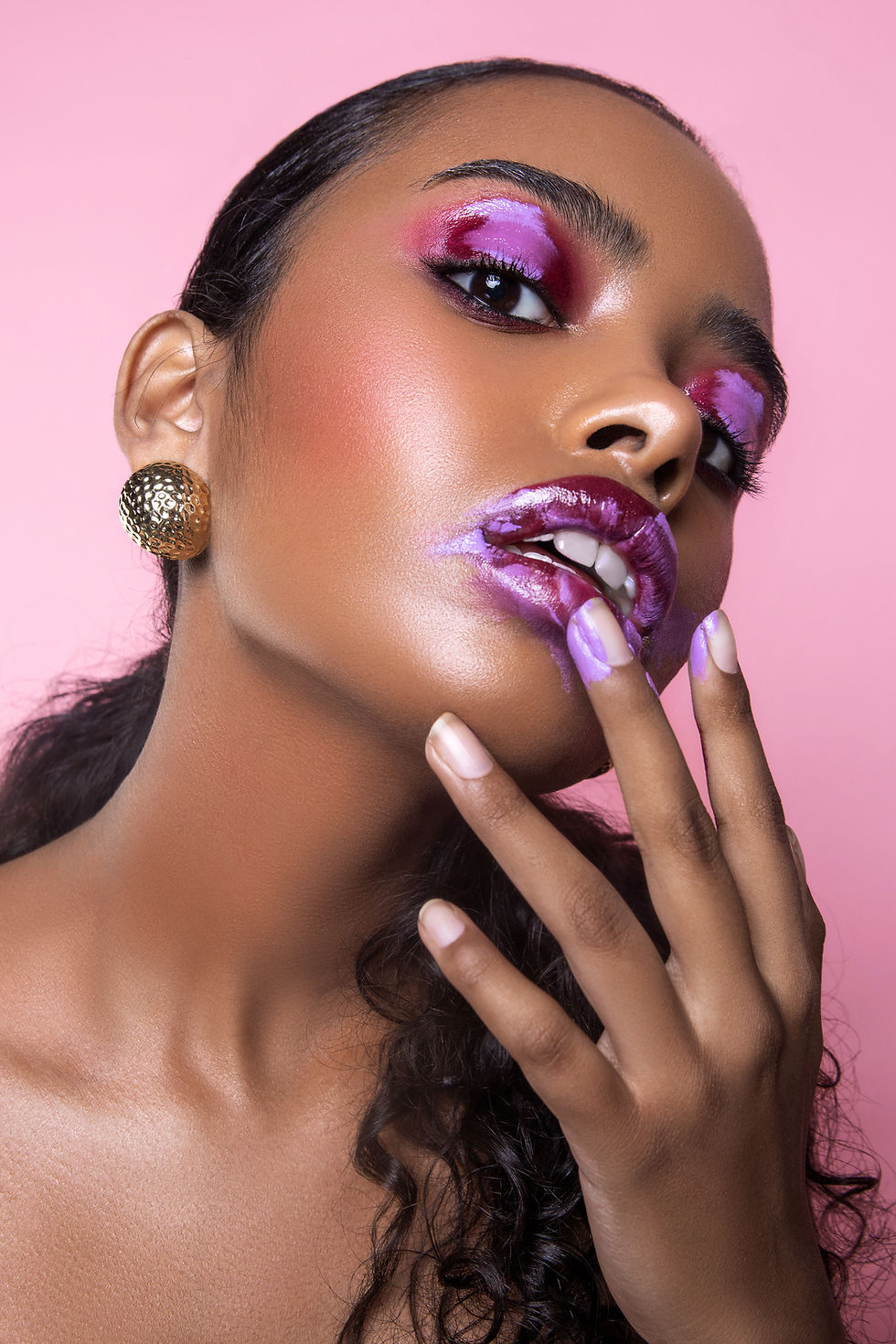
In a world where beauty is often dictated by unattainable standards, the plight of African women serves as a poignant reminder of the insidious influence of societal expectations. For generations, they have been led to believe that their natural appearance—rich in cultural heritage and authenticity—is somehow inferior. This deception has transformed into an alarming obsession with artificial beauty, driving many to forsake their true selves in pursuit of a distorted ideal that often comes at a grave cost.
The narrative surrounding beauty has been meticulously crafted by a global beauty industry that thrives on insecurity and discontent. African women, in particular, have been disproportionately affected, facing relentless pressure to conform to a narrow definition of attractiveness that often excludes their natural features. From skin lightening creams to hair extensions and cosmetic surgeries, the quest for perceived beauty has prompted an alarming trend where women are willing to sacrifice their livelihoods, health, and even the well-being of their families.
Statistical evidence underscores the extent of this obsession: African women are reported to account for *86% of the beauty industry profits* worldwide, underscoring their role as the largest consumers of artificial beauty products. In 2025, the African beauty and personal care market is projected to reach *$69.53 billion*, driven by increased urbanization, the rise of a middle class with greater purchasing power, and a growing awareness of personal grooming and aesthetics. This economic reality reflects a troubling prioritization of beauty over essential needs, where women feel compelled to invest in products that alter their appearance rather than nurturing their natural selves.
This obsession has led to dire consequences. Many women find themselves trapped in a cycle of financial strain, diverting funds meant for essential needs towards maintaining an image that is not only unsustainable but also detrimental to their mental and physical health. The pursuit of artificial beauty can result in neglecting familial responsibilities, as the desire to be deemed attractive overshadows the nurturing roles they play within their households.
Across Africa and in the diaspora, particularly in the United States, the behaviors of African women illustrate this phenomenon. From Nairobi to New York, women often engage in extensive beauty regimens that include hair straightening, skin bleaching, and the use of costly cosmetic products. Social media platforms amplify these trends, showcasing influencers who promote a standard of beauty that many feel pressured to emulate. This pervasive message reinforces the belief that their worth is tied to their ability to achieve an artificial ideal.
Moreover, the impact of these beauty standards extends beyond individual women; it permeates African society, threatening to erode cultural identity and familial structures. The belief that love and acceptance are conditional upon a woman’s appearance creates a dangerous dynamic in relationships, where material wealth becomes synonymous with worthiness. This misguided notion fosters a culture where men are seen as providers for the superficial, rather than partners who appreciate the intrinsic value of their loved ones.
In the darkest corners of this pursuit, women have also fallen victim to heinous crimes, including drug trafficking and human trafficking. In desperate attempts to fund their artificial lifestyles, some may resort to dangerous means, exposing themselves to exploitation and violence. This cycle of desperation is a stark reminder of how the beauty industry's ideals can lead to devastating consequences, not only for individual women but for entire communities.
It is imperative to shed light on this disturbing phenomenon and challenge the narrative that equates beauty with artificiality. The time has come for African women to reclaim their identities and embrace their natural beauty—faces that tell stories of resilience, strength, and cultural richness. We must advocate for a shift in societal perceptions that celebrate authenticity rather than conforming to imposed standards.
The beauty industry has profited from the insecurities of African women for far too long. It is crucial for us to unite in raising awareness of the dangers associated with these artificial ideals. We must empower women to embrace their natural selves and resist the commodification of their identities. By fostering a culture that values authenticity, we can begin to dismantle the harmful stereotypes that have plagued our society for generations.
This editorial piece serves as a call to action: let us collectively work towards dismantling the illusion of beauty that has ensnared our women and compromised our families. The time to stop this madness is now. Together, we can pave the way for a future where African women are celebrated for their unique beauty, and where love is defined not by appearance, but by genuine connection and respect. Let us rise and reclaim our narratives, for the sake of our women, our families, and our heritage.


Comments